
—————————————————————————————————————-
H1: Why Women Are Less Likely to Receive CPR in Emergencies
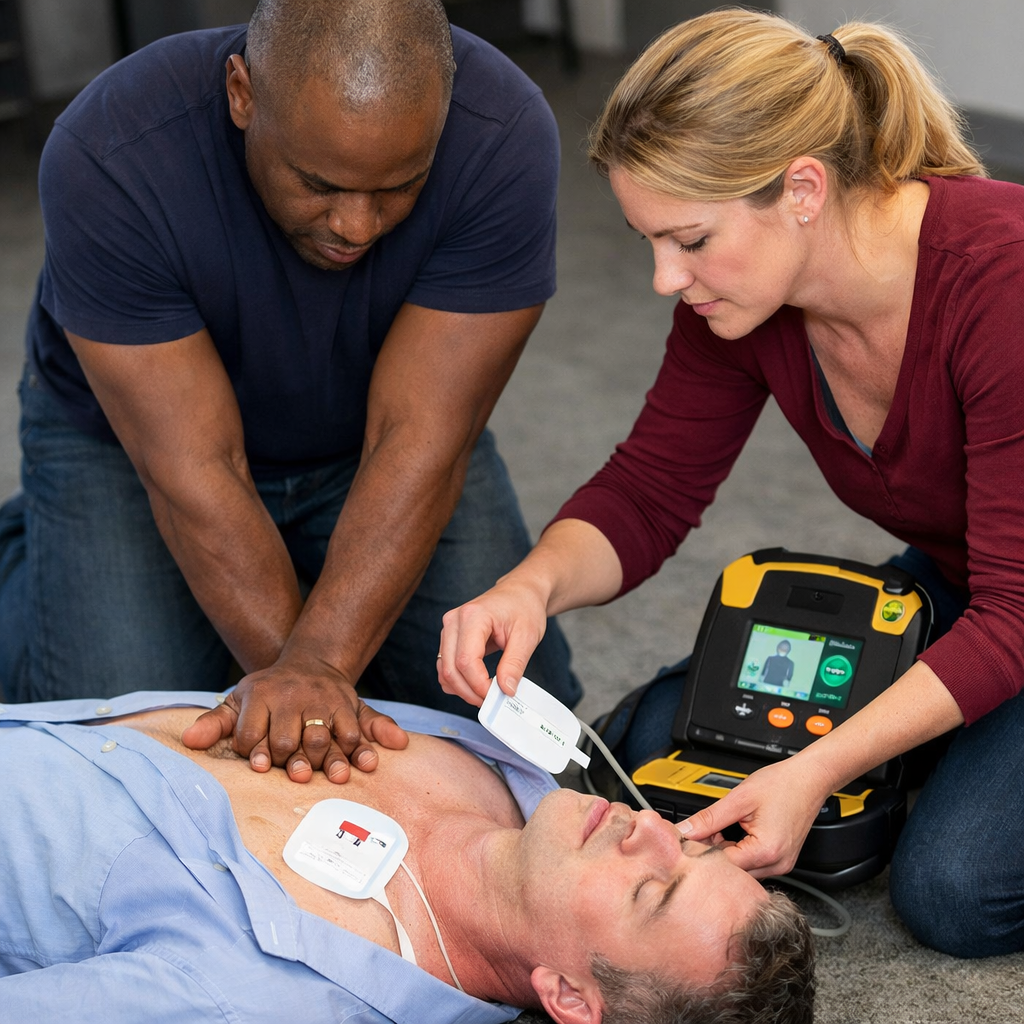
Women are, unfortunately, less likely to receive CPR from bystanders than men in public emergencies. This is a well-documented issue and one that can have serious consequences.
In a cardiac arrest situation, every second matters. Delays in CPR can significantly reduce the chances of survival, making this an important issue to understand and address.
H2: Why Does This Happen?
There are several reasons why people may hesitate to perform CPR on women.
H3: Fear of Causing Harm or Accusations
Some people are reluctant to perform CPR because they are concerned about:
- Touching the chest area inappropriately
- Being accused of misconduct
This hesitation, even if only for a few seconds, can delay life-saving treatment.
H3: Misunderstanding of Anatomy
There are common misconceptions that CPR might:
- Cause injury to the chest
- Be less effective on women
In reality, CPR technique is the same and equally necessary regardless of gender.
H3: Training Bias
CPR training often uses mannequins that are:
- Male-shaped
- Flat-chested
This can lead to reduced confidence when responding to real-life situations involving women.
H3: Differences in Symptoms
Women experiencing cardiac arrest may not always display what people consider “typical” symptoms.
This can lead to:
- Misinterpretation of the situation
- Delays in recognising the emergency
H3: Social and Cultural Factors
In some cases, people may:
- Feel uncomfortable initiating physical contact
- Wait for a female responder
- Hesitate due to personal or cultural beliefs
H2: Why This Matters
Cardiac arrest survival depends heavily on immediate action. Even a delay of a few minutes can significantly reduce survival chances. The key message is simple:
- Call emergency services immediately
- Start CPR without hesitation
- Act quickly, regardless of gender
CPR saves lives, and it should be given equally to everyone.
H2: How Recent First Aid Guidance Supports Early Action
Recent updates to UK resuscitation and first aid guidance in late 2025 reinforce the importance of early intervention and bystander confidence.
Some of the key points include:
- First aid is now recognised as the first link in the chain of survival
- Greater emphasis on early action by bystanders
- Encouragement to act quickly, with reassurance that the risk of harm is low
H3: Earlier Emergency Calls
Guidance now recommends calling 999 immediately for any unresponsive person, rather than waiting to confirm breathing abnormalities.
H3: Increased Use of Defibrillators (AEDs)
There is a stronger push for:
- Public access to AEDs
- Greater awareness that AEDs can be used without training
Early defibrillation significantly improves survival rates.
H3: CPR Guidance: Confidence Is Key
While the core CPR technique remains the same, the updated guidance places a strong emphasis on:
- Acting quickly
- Reducing hesitation
- Building confidence in bystanders
This directly links to the issue of delayed CPR in women – hesitation is often the biggest barrier.
H3: Additional Updates
Other updates include:
- Use of the ABCDE approach
- Greater focus on life-threatening bleeding
- Updated paediatric guidance
- Increased emphasis on training and education from an early age
H2: The Importance of Training and Awareness
One of the most effective ways to reduce hesitation is through proper training.
Training helps people:
- Understand what to do in an emergency
- Feel confident taking action
- Overcome uncertainty or fear
This is particularly important when addressing issues such as delayed CPR in women.
H2: Frequently Asked Questions
SEO note: This FAQ section can be enhanced with FAQ schema markup to improve visibility in Google search results (e.g. appearing in “People Also Ask”).
H3: Why are women less likely to receive CPR?
Studies suggest that hesitation, lack of confidence, and social factors all contribute to lower rates of CPR being performed on women in public settings.
H3: Is CPR different for women?
No, the CPR technique is the same regardless of gender. Immediate action is critical in all cases.
H3: Should I hesitate before performing CPR?
No, acting quickly is essential. Delays can significantly reduce survival chances.
H3: Do I need training to perform CPR or use an AED?
While training is highly recommended, AEDs can be used without prior training as they provide step-by-step instructions.
H2: Conclusion
The fact that women are less likely to receive CPR highlights a critical gap in emergency response. The latest first aid guidance reinforces a clear message: early action saves lives, and hesitation can be dangerous.
By improving awareness, confidence, and training, more people can step in and provide life-saving care when it’s needed most.
H2: How Solutions Training Can Help
Solutions Training delivers a range of first aid courses, including:
- Basic Life Support
- Emergency First Aid at Work
- Paediatric First Aid
All our courses are delivered by experienced paramedic tutors and are designed to ensure your team leaves confident and capable of responding to real-life emergencies.