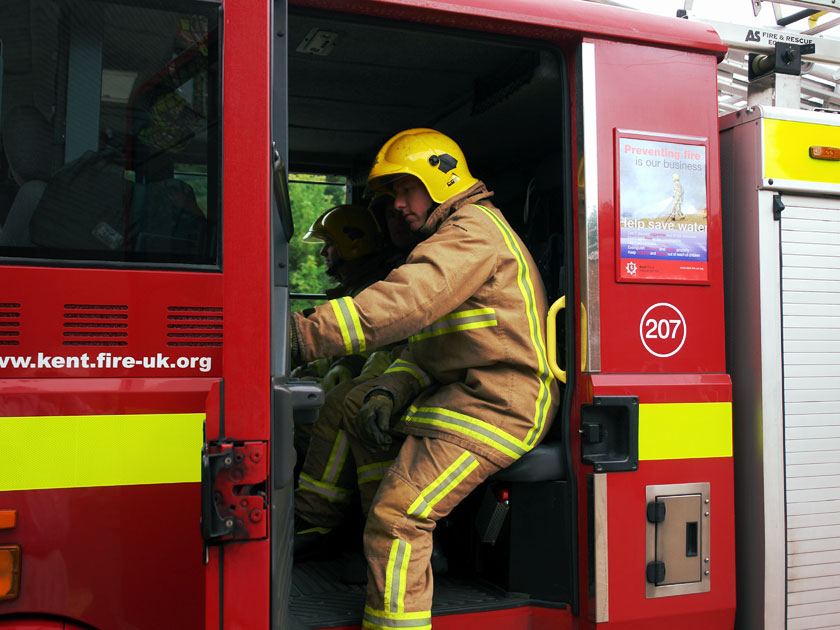
Workplace Fire Statistics UK
The UK has seen a decline in workplace fires over the past decade, with approximately 7,000 workplace fires recorded in 2023/24, marking a 25% decrease from the previous decade. The leading cause of workplace fires is faulty or misused electrical equipment, accounting for almost a fifth (19%) of incidents. Industrial premises, food and drink establishments, and retail shops are the most at-risk types of property.
Workplace fires remain a significant threat to UK businesses, and it is crucial for organizations to conduct regular fire risk assessments and implement effective fire safety measures to prevent and mitigate the risks associated with workplace fires. In the same period there were 309 deaths from workplace fires down from 323 the previous year.
Legal Framework
Workplace fire safety in the UK is governed by law and aims to prevent fires, protect people, and reduce damage if a fire does occur. Here’s a clear overview.
The main legislation is the Regulatory Reform (Fire Safety) Order 2005 (FSO), which applies to almost all workplaces and non-domestic premises in England and Wales (similar legislation exists in Scotland and Northern Ireland).
Key legal principle
Every workplace must have a “Responsible Person”, usually:
The employer, the building owner, the occupier or managing agent, they are legally responsible for fire safety.
Fire Risk Assessment
A fire risk assessment is the cornerstone of UK workplace fire safety and must be:
- Carried out and documented (mandatory if 5 or more employees)
- Regularly reviewed and updated
It should:
- Identify fire hazards (sources of ignition, fuel, oxygen)
- Identify people at risk (staff, visitors, vulnerable persons)
- Evaluate risks and reduce them
- Record findings and actions
- Prepare for emergencies and train staff
Fire Prevention Measures
Workplaces must take reasonable steps to reduce the risk of fire, including:
- Safe storage of flammable materials
- Good housekeeping (reducing waste and clutter)
- Electrical safety checks and maintenance
- Control of hot work (e.g. welding)
- Smoking controls
Fire Detection and Warning Systems
Workplaces must have appropriate fire detection and alarm systems, such as:
- Smoke or heat detectors
- Manual call points
- Audible and visual alarms
Systems must be:
- Suitable for the building and risks
- Regularly tested and maintained
- Clearly audible/visible throughout the premises
Means of Escape
Employers must ensure:
- Clear and unobstructed escape routes
- Sufficient emergency exits
- Fire doors fitted, maintained, and kept closed
- Emergency lighting where needed
- Escape routes lead to a place of safety
- All exits must be clearly signed.
Firefighting Equipment
Appropriate fire-fighting equipment must be provided, such as:
- Fire extinguishers suitable for the types of fire risk
- Fire blankets (e.g. in kitchens)
- Employees should be trained in basic use only—firefighting is not a substitute for evacuation.
Training and Information
Employees must receive:
- Fire safety induction training
- Ongoing refresher training
- Information about evacuation procedures
- Knowledge of fire wardens/marshals (if appointed)
- Fire drills should be carried out at least once a year (more often in higher-risk workplaces).
Emergency Planning
Workplaces must have:
- A written fire emergency plan
- Clear evacuation procedures
- Arrangements for people with disabilities (PEEPs)
- Assembly points and roll-call procedures
Enforcement and Penalties
Fire safety is enforced by the Fire and Rescue Authority.
Failure to comply can result in:
- Enforcement notices
- Prohibition notices (closing premises)
- Unlimited fines
- Prison sentences (in serious cases)
Other Relevant Regulations
Additional regulations may apply, such as:
- Health and Safety at Work etc. Act 1974
- Dangerous Substances and Explosive Atmospheres Regulations (DSEAR)
- Building Regulations (fire safety design)
How people behave in a fire or other emergency situation
Not as you may think! The author with twenty-five years’ experience in two 999 services has seen firsthand that people do not act as they have been told in certain circumstances. On one occasion attending a hotel fire in Weybridge Surrey where people were trapped on the first floor and rescued by firefighters. After being given oxygen for smoke inhalation three admitted smelling burning on their way to bed at 0130 and just carried on to bed without raising the alarm. This is typically how people will behave. Denial.
Initial Reaction: Confusion and Delay
Denial or disbelief: Many people don’t immediately accept that there’s a real fire (“It’s probably nothing”).
Information-seeking: People look for confirmation—smell, smoke, alarms, or cues from others.
Underreaction is more common than panic in the first moments.
Stress Response
Physiological effects: Increased heart rate, narrowed attention, slower reasoning.
Cognitive tunnelling: People focus on one task or route and ignore alternatives.
Reduced decision quality, especially if unfamiliar with the environment.
Social Behaviour
Follow-the-crowd behaviour: Individuals often copy what others are doing.
Seeking familiar people: Parents look for children, coworkers for colleagues.
Normalcy bias is a cognitive bias that leads individuals to underestimate the likelihood of a disaster and to believe that life will continue as normal despite significant threats. This bias can result in inadequate preparations for emergencies, such as natural disasters or public health crises, as people dismiss warnings and fail to take necessary precautions.
Examples: Many individuals may ignore fire alarms or orders to evacuate believing they will not affect them personally.
Psychological Factors: This bias is often rooted in cognitive dissonance, optimism bias, and anchoring bias, which can lead individuals to downplay perceived risks.
Consequences: The failure to prepare can lead to severe consequences during disasters, including increased risk of injury and loss of life.
Understanding normalcy bias is crucial for improving disaster preparedness and response strategies.
Authority reliance: People wait for instructions from leaders or staff.
Movement and Evacuation
- Use of familiar exits: Even when emergency exits are closer, people often try to leave the way they entered.
- Bottlenecks at doors, stairs, and corridors.
- Helping behaviour is common: Assisting injured, elderly, or strangers is more typical than selfish behaviour.
- “Panic” Is Rare
- True panic (irrational, stampede-like behaviour) is uncommon.
- Most people try to act logically within their limited understanding of the situation.
- Problems arise more from poor information and delayed action than from chaos.
Training and Experience Matter
- Fire drills and prior experience lead to faster recognition and evacuation.
- Trained individuals (staff, firefighters) show calmer, more directive behaviour.
- Clear alarms and voice instructions significantly improve outcomes.
After Evacuation
- People may experience shock, guilt, or confusion.
- Many try to re-enter buildings to retrieve belongings or find others—this is dangerous.
Conclusions
In fire emergencies, people usually hesitate, seek social cues, and act cooperatively, not irrationally. Effective design (clear exits), training, and communication save lives by reducing hesitation and confusion. There is a need to test emergency plans without notice (fires or other emergencies don’t give prior warnings! )
Well trained fire marshals / wardens can ensure people behave as required in such events.
How Solutions can help
The team have decades of experience and training working in 999 services and can train your staff on how to respond assertively in such situations giving real life examples.